

Climate & Energy · Africa · Conservation
A Loisaba ranger, a Tana Delta campaigner and a Niassa lion champion win Africa’s Tusk conservation awards
Daniel Yiankere’s team at Loisaba has recorded no poaching since 2017 and helped bring black rhinos home. Raabia Hawa defends Kenya’s northern coast, and Colleen Begg has spent more than two decades building a lion-friendly Niassa.
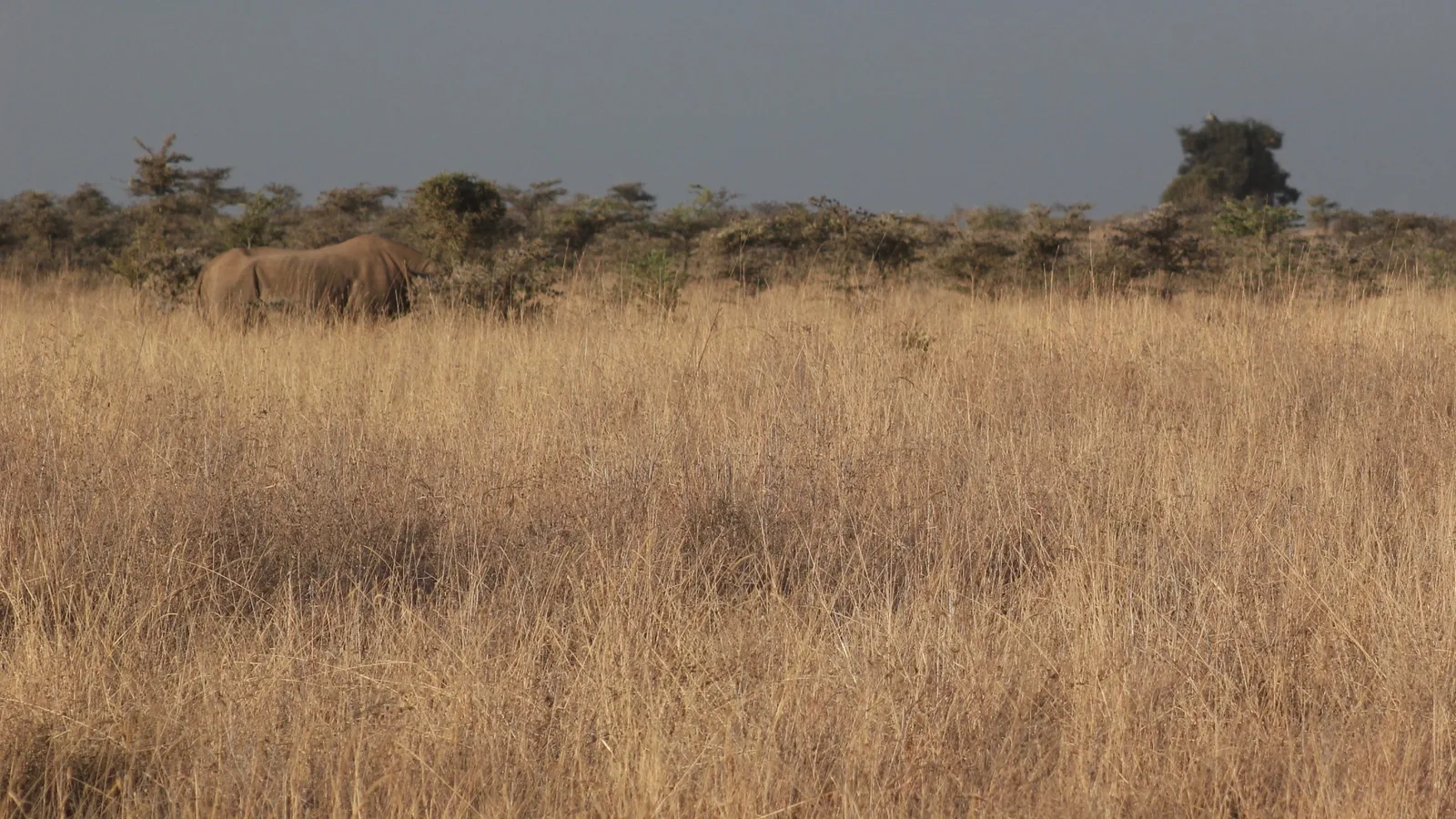

NAIROBI. When 21 critically endangered eastern black rhinos were moved to Loisaba Conservancy in Laikipia in 2024, the man responsible for keeping them safe was Daniel Yiankere. The herd has since grown to 28. On Wednesday night in London, Yiankere received the Tusk Wildlife Ranger Award, one of three prizes at the 2026 Tusk Conservation Awards that went to people protecting Africa’s wildlife alongside the communities who live with it.
Yiankere began his career with the Kenya Wildlife Service and has more than 30 years on the front line of conservation. At Loisaba he leads a team of more than 100 security and wildlife monitoring staff, and the conservancy has reported no poaching incidents since 2017. He is now working with the neighbouring Koija community, which has shown interest in extending rhino habitat onto community-owned land. He said the award recognised the rangers, the Kenya Wildlife Service and the neighbours who made the rhinos’ return possible.
Guarding the northern coast
Raabia Hawa, founder of the Ulinzi Africa Foundation, won the Tusk Award for Conservation in Africa for more than a decade of work in the Tana Delta and Lamu. She has led anti-poaching patrols protecting elephants and the endangered coastal topi, and has worked with communities to challenge destructive mining, illegal fishing and developments that threaten forests and mangroves, combining patrols with legal action and local advocacy.
A lion-friendly Niassa
The Prince William Award for Conservation in Africa went to Dr Colleen Begg, co-founder and managing director of the Niassa Carnivore Project in northern Mozambique. Begg, a South African conservation ecologist whose doctorate was the first in-depth study of the honey badger, has worked in the Niassa Special Reserve with Keith Begg since 2003. Together they built a team of Mozambican conservationists who protect lions and other carnivores by working with the communities who share the landscape. She also co-founded WE Africa, a leadership programme that has supported more than 100 women environmental leaders across 24 African countries.
The ceremony also gave Kenya’s John Kamanga, who won the Tusk Award for Conservation in Africa in 2020, the chance to receive his award in person after COVID-19 travel restrictions kept him away six years ago. The awards were founded in 2013 by the conservation charity Tusk.
Sources: Tusk Conservation Awards 2026; The Star (Kenya), 12 Nov 2026; Wildlife Conservation Network, 14 Nov 2026.
AB24 · Nairobi