

Culture · South Africa · Cape Town
Gangstar Café in Cape Town has trained and hired former prisoners as baristas since 2017
The Message Trust opened the Mowbray coffee shop almost a decade ago. GroundUp this week spoke to two staff members who say the wage and the training have helped them stay out of prison.
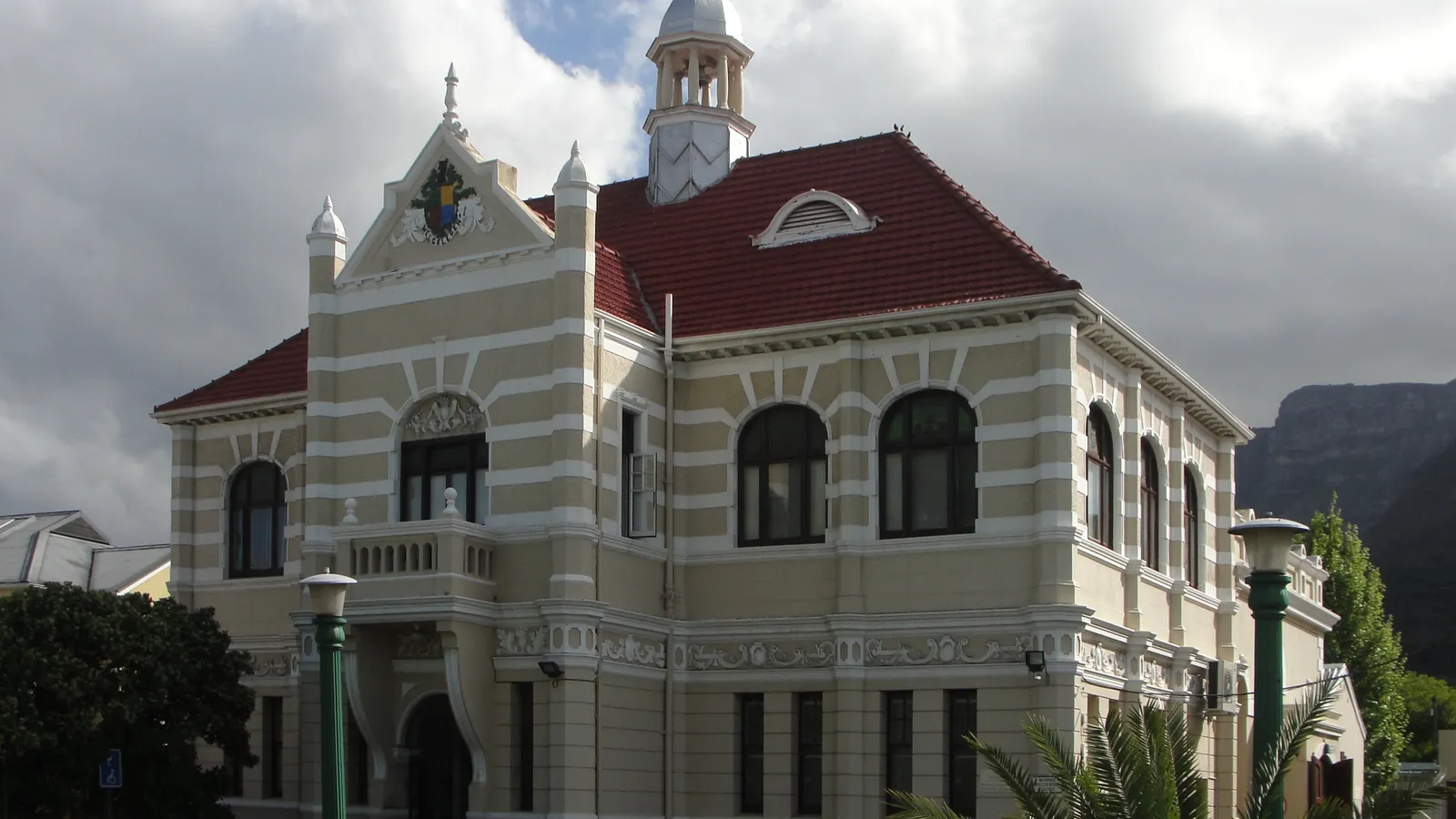

CAPE TOWN. For almost ten years a small coffee shop on Main Road in Mowbray has been doing something most employers in South Africa still will not: hiring people with criminal records and training them to work as baristas.
The café is called Gangstar Café. It opened in 2017 and is a project of The Message Trust, a Cape Town organisation that works with young people at risk, both in prison and after they are released. The café’s own site puts the Mowbray shop at 61 Main Road and dates the opening to April 2017.
GroundUp’s Alice Scott reported on the café on Thursday and spoke to staff whose lives had changed after they came through the training and were given jobs.
Engelbrecht told GroundUp that finding work is the central problem for people leaving prison.
“The biggest thing is they need employment,” she said. “They need to be able to eat, and gangsterism and crime can offer them that. Employers often don’t want to give people with criminal records jobs, which then brings you back to them reoffending.”
Estimates of how many former prisoners in South Africa reoffend are wide, from 55 percent to 95 percent, and the country has no reliable official figure, according to academic research reported by The Conversation, which GroundUp cited.
From prison courses to the coffee counter
When the café opened, The Message Trust was already running courses at Drakenstein Correctional Centre in entrepreneurship, life skills and job readiness. Many of those students later worked at Gangstar, Engelbrecht told GroundUp.
The programme now includes a job-readiness course, covering CV writing and mock interviews, run with the organisation Common Good, and a barista course by the Red Band Barista Academy. Gangstar’s own site describes a partnership that launched a Red Band academy in Cape Town in 2021. Once students finish, the café employs some of them in Mowbray or helps place them with coffee shop chains. Engelbrecht said people who completed the training have gone on to manage coffee shops across Cape Town, and one has become an instructor at the academy.
“This year our organisation has been involved in courses with over 70 graduations across both our barista and job readiness training in and out of prison courses,” she told GroundUp.
Catered events are one of the café’s more effective ways of creating work, she said. Churches, businesses and other organisations hire a barista and a coffee set-up, and the café also takes a coffee trailer on the road.
“Generally, a church or a business or an organisation contacts us to hire a barista and a coffee shop for their event. We do events at Mowbray, but then we also have a coffee trailer that we take to events,” she said.
A full salary, and a house to rent
Lungiswa Sidukwana told GroundUp she was in prison in 2011 when her two-week-old son died, and that she could not attend his funeral. That, she said, was when she realised things had to change. It still took almost another decade to break a cycle of drug use, shoplifting and further spells in prison. She was arrested in 2019 and sentenced to three years, then released in 2020 because of overcrowding during the Covid pandemic.
The following year she left the home she shared with her husband and mother-in-law in Mitchells Plain and moved in with her sister in Delft, where she was supported to stay off drugs. A mentor who checked in each time she left prison suggested a training course that led to the barista job at Gangstar.
“Once I started working here, I got a full salary,” Sidukwana told GroundUp. “Two years later, I was promoted to operations assistant. Now, I’m able to rent a house. All those things make me not want to go back to prison.”
“Serving you with love”
Unam Lumka has worked at Gangstar for 18 months and has also staffed some of the catered events, he told GroundUp. He grew up in Khayelitsha and joined a gang at 14 for safety and protection. He said he later sold drugs, broke into houses and robbed Uber drivers, and that many of his friends were shot and killed.
At 18 he spent two weeks in hospital after an accident involving a stolen car, and decided he wanted to leave the gang and go back to school. Leaving was not simple. “Those guys wouldn’t let me just go,” he told GroundUp.
He was able to leave only after several members of the gang were killed, completed matric in 2022, and then struggled to find work, fighting the temptation to return to crime in order to survive. The café, he said, has given him a stable income.
“The thing I love about being a barista is serving you,” Lumka told GroundUp. “Because when I’m serving you, I’m serving you with love. I feel like it’s not something that I just love doing, but it’s something that I’ve been called to do.”
AB24’s reading from the Culture desk: the café is not a national programme, and South Africa still has no solid public figure for how often people leaving prison reoffend. What the Mowbray shop has shown, on GroundUp’s reporting and on the trust’s own account, is a practical path that starts with training and ends with a wage.
Sources: Alice Scott, GroundUp, 12 November 2026; Gangstar Café, Our Cafés; Gangstar Café, About us; Gangstar Café, Barista training; The Conversation, on South Africa’s recidivism data.
- AB24 · Nairobi