

Politics · Somalia · Elections
Somalia’s security chiefs and opposition leaders agree to keep the forces out of the election dispute
Heads of intelligence, police, army and the military court met the opposition Future Council in Mogadishu and agreed that the next elections must rest on political consensus. Talks with the president remain unsettled ahead of a 14 November meeting.
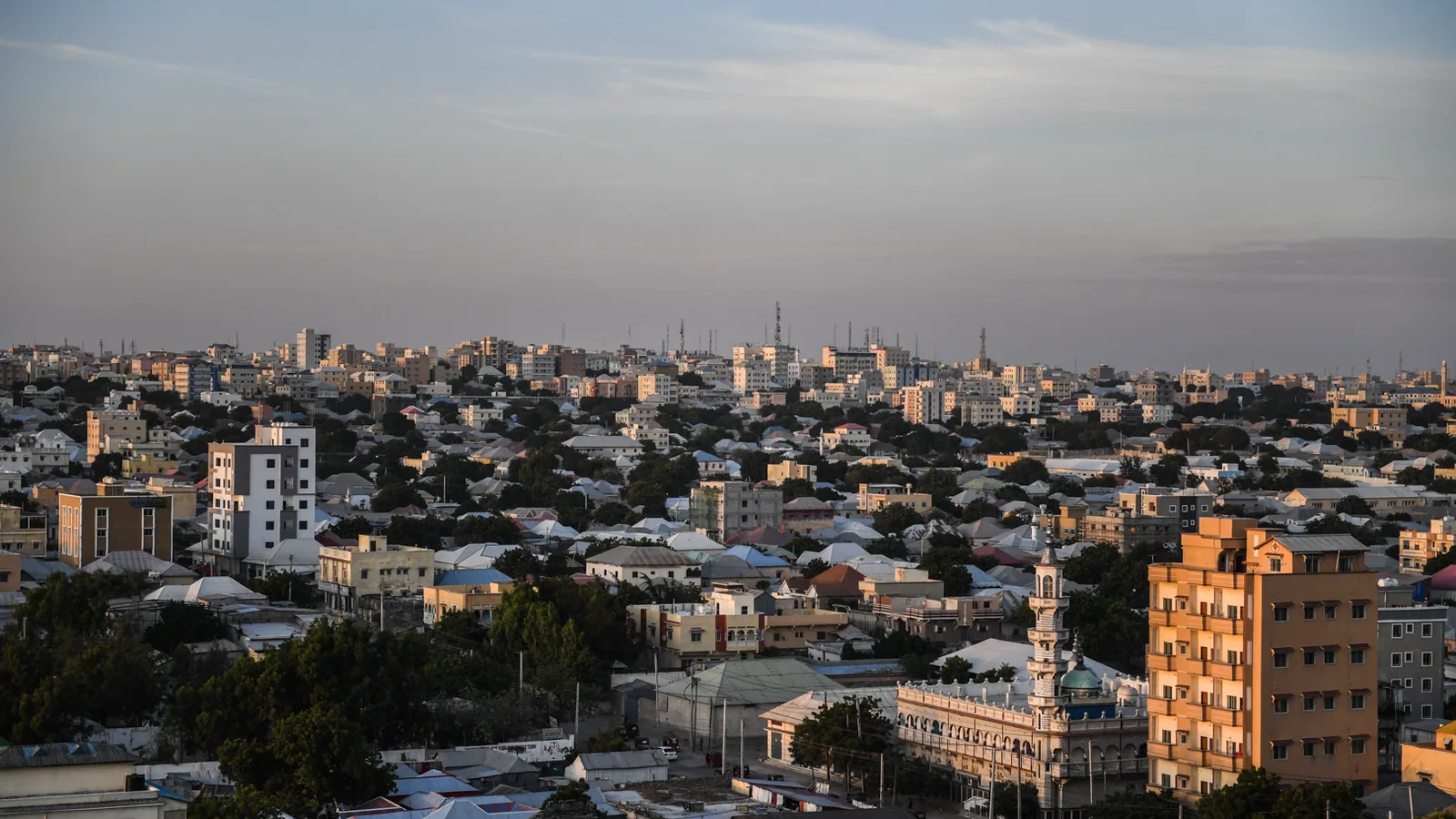

MOGADISHU. The heads of Somalia’s main security institutions and leaders of the opposition Future Council have reached an understanding that the armed forces should stay out of the country’s election dispute, in the most direct contact between the two sides in weeks of rising tension.
The meeting took place on Tuesday evening, 10 November, at the residence of former prime minister Mohamed Hussein Roble in Mogadishu. It brought together the director of the National Intelligence and Security Agency (NISA), Mahad Mohamed Salad, police commissioner Brigadier General Asad Abdullahi Osman, army chief General Ibrahim Mohamed and the chairman of the military court, Colonel Hassan Ali Nur. The opposition delegation included former president Sharif Sheikh Ahmed, former prime ministers Hassan Ali Khaire and Roble, Abdirahman Abdishakur Warsame, lawmaker Abdullahi Arab and Mohamed Aden Koofi.
Four points
The two sides agreed on four principles: national security must not be politicised; government forces and political leaders should work together against al-Shabaab and the Islamic State group; Somalia’s next elections should rest on a political agreement acceptable to all sides rather than on unilateral decisions; and trust between security commanders and the opposition should be rebuilt to allow further dialogue.
The understanding is not a deal on the electoral model itself. The federal government and the opposition remain divided over how the next vote should be run and over the term of President Hassan Sheikh Mohamud, a dispute that deepened after the Supreme Court ruled that his mandate had expired and the president swore in a new chief justice.
Next test on 14 November
The president has invited opposition leaders to a dialogue in Mogadishu on 14 November. Accounts of Tuesday’s meeting said security officials favoured direct talks between the opposition and the president, while opposition members were not ready to attend the 14 November gathering and wanted the president to abandon an electoral process that has not been agreed by all sides. It is not yet clear whether the leaders of Puntland and Jubaland will take part.
The meeting comes as Somalia’s security arrangements are changing, with the UN political mission UNTMIS closed at the end of October and Uganda’s bilateral troops beginning to go home.
For background, see Somalia’s president swears in a new chief justice after the Supreme Court rules his term has expired.
Sources: Shabelle Media Network, 11 Nov 2026; SMS Somali TV, 10 Nov 2026; Horseed Media, 11 Nov 2026; Al Amssar, 11 Nov 2026.
AB24 · Addis Ababa