

Politics · Ghana · Budget
Ghana's 2027 budget sets aside $10 billion for a four-year New Economy programme
The published statement targets growth of at least 5.2 percent in 2027 and a cash deficit of 3.6 percent of GDP. It puts $10 billion into a four-year plan and prints the 2027 cedi totals without a dollar conversion.
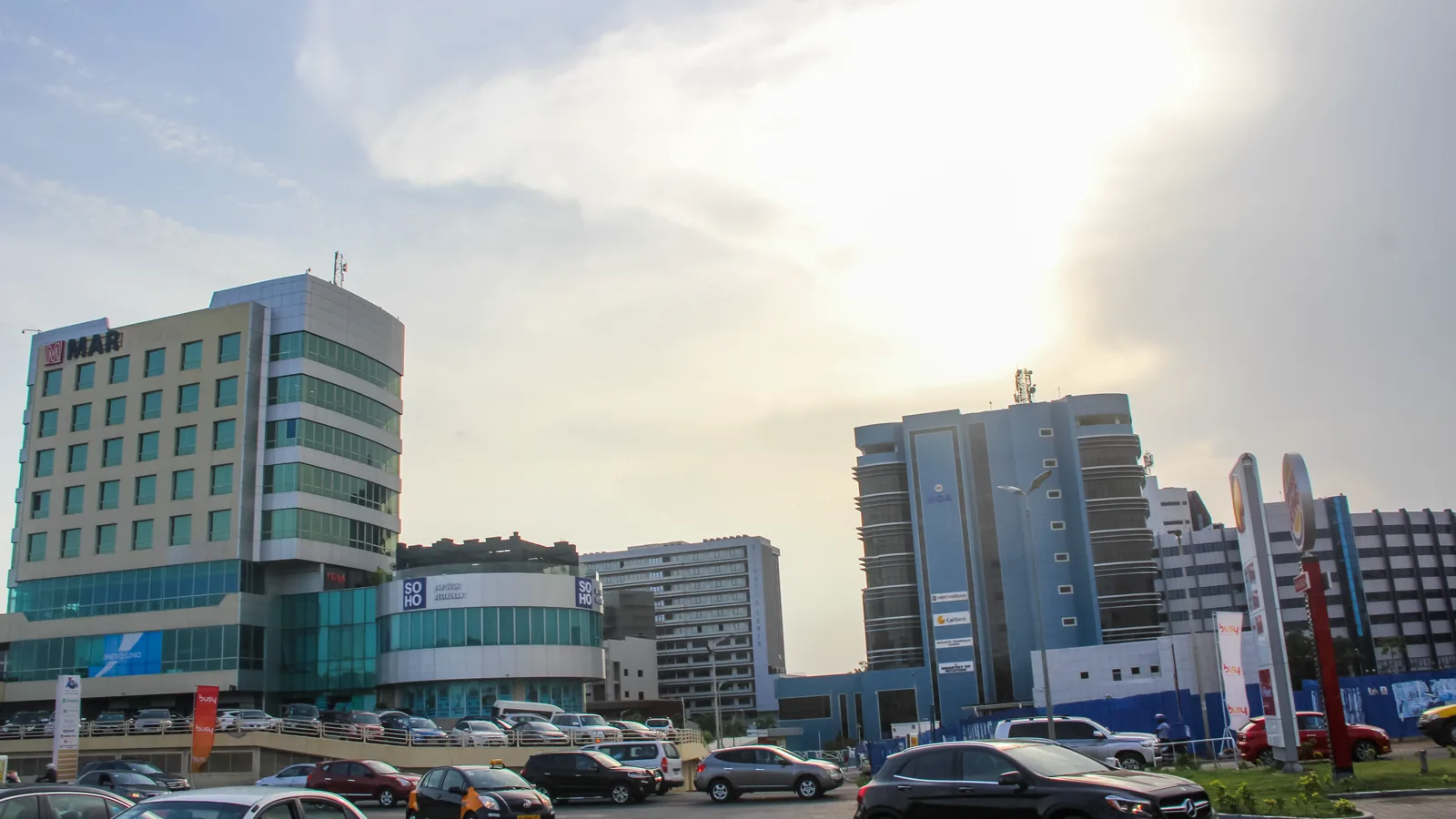

ACCRA. Finance Minister Cassiel Ato Forson presented the 2027 Budget Statement and Economic Policy to Parliament on Thursday evening, 3News reported. The Ministry of Finance has published the full statement. It opens in the minister's voice, on the authority of President John Dramani Mahama, under Articles 179 and 180 of the 1992 constitution and sections 21 and 23 of the Public Financial Management Act. 3News said Forson described the speech as an abridged version of that document.
The statement says that from 2027 to 2030 the government will spend $10 billion "to create a modern Ghanaian economy for jobs and prosperity." It names the plan the New Economy: New Ghana, Jobs and Prosperity. The eight pillars are macroeconomic stability and affordable finance; commercial agriculture; energy infrastructure; critical minerals value addition; tourism, culture and creative arts; textiles and garments; pharmaceuticals and biomanufacturing; and the technology economy.
It says the $10 billion will be financed in two ways. The primary surplus target will be cut by 1 percentage point of GDP, and tax reforms already passed by Parliament, together with compliance measures, are expected to raise 0.5 percent of GDP. For 2027 the statement says the government will invest 1.5 percent of GDP, "equivalent to GH¢30 billion," in the programme. In the expenditure chapter the same document lists New Economy capital spending of GH¢30.0 billion and puts that line at 1.7 percent of GDP. It does not explain the gap, and it does not give a dollar figure for the cedi amount.
Where the dollars are assigned
Seven pillars carry dollar figures in the statement. Commercial agriculture is $3 billion. The energy chapter is headed as a $2 billion pillar. Critical minerals value addition is $1.5 billion. Tourism and the creative arts, textiles and garments, and pharmaceuticals and biomanufacturing are $1 billion each. The technology economy is $300 million, and the statement limits that sum to 2027 and 2028. The opening pillar, on stability and the cost of finance, is set out as policy targets rather than a dollar allocation. Those seven lines come to $9.8 billion. The statement's programme total remains $10 billion.
On farms, the statement says agriculture is about 20 percent of the economy, almost 40 percent of employment and nearly 25 percent of export earnings. It says commercial rice imports will be prohibited by 2030, and that the ban will rest on domestic production, milling, storage, quality assurance and distribution. On power, it says work will start in December 2026 on a state-owned 1,450 megawatt thermal plant at Kafodzidzi Abrobeano in the Central Region, and that the state will also build a 600 megawatt solar plant with 2,000 megawatt-hours of battery storage. It says emergency power plants will be phased out by 2030.
The 2027 fiscal frame
For 2027 the statement aims for overall real GDP growth of at least 5.2 percent, non-oil growth of at least 5.7 percent, and end-year inflation of 8.0 percent. From 2027 to 2030 it says inflation will stay inside a band of 8 percent plus or minus 2 percentage points, with a primary surplus of 0.5 percent of GDP and reserves covering at least six months of imports.
The fiscal tables put revenue and grants at GH¢323.1 billion in 2027, up from GH¢274.0 billion in 2026. Spending on a commitment basis is programmed at GH¢375.0 billion, 20.8 percent of GDP. The commitment deficit is GH¢51.9 billion, 2.9 percent of GDP, with a primary surplus of GH¢9.1 billion, 0.5 percent of GDP. On a cash basis the deficit is GH¢65.8 billion, 3.6 percent of GDP. Those are the cedi figures the statement prints. It does not state an exchange rate for them, so this desk is not converting them into dollars.
3News reported that Forson told the House: "This 2027 Budget will not introduce any new tax." The published statement, which is longer than the speech, says that in 2027 the government will review the Revenue Administration Act, the communications service tax framework and stamp duty administration. It also says solar panels and batteries will be exempt from import duties and VAT, as part of the incentives under the 24-hour economy programme.
The statement says the private sector will carry the main responsibility for investment, production and jobs, and that government support will be "transparent, time-bound and linked to verified results." It says every New Economy project will go through appraisal and a value-for-money assessment, and that commitments will be budgeted, authorised and reported.
For an earlier Ghana energy story, see Ghana reports a deepwater hydrocarbon find.
Sources: Ministry of Finance, 2027 Budget Statement and Economic Policy; 3News, 12 Nov 2026 (Thursday evening presentation, the speech described as abridged, and the quoted line on new taxes). Cedi totals are as printed in the statement. The statement does not give a dollar conversion or the exchange rate used for them.
AB24 · Accra